

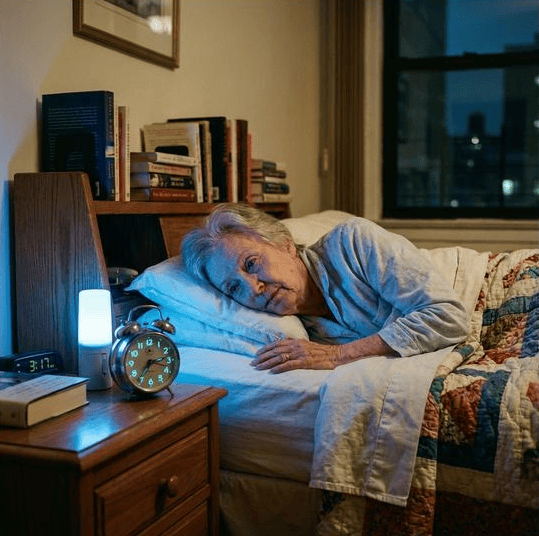
“I just don’t sleep like I used to.” Every family has heard an older relative say this, usually with a shrug, like it’s a minor inconvenience instead of a real health issue.
It’s not minor. And it’s not something to just shrug off as “part of getting old.”
Sleep Changes With Age, But Disruption Isn’t Automatic
Yes, sleep architecture shifts as we age. Less deep sleep, more time awake at night, earlier wake times.
That’s normal aging. Chronic insomnia, loud snoring with gasping, or falling asleep constantly during the day is not normal aging. That’s a disorder, and disorders have treatments.
The Hazards Nobody Talks About
Poor sleep in older adults isn’t just about feeling tired. The risks compound.
- Falls increase. Fatigue and grogginess from poor sleep, or from sleep medications, significantly raise fall risk, especially during nighttime bathroom trips.
- Cognitive decline accelerates. Poor sleep and cognitive decline feed each other in a loop that’s hard to break once it starts.
- Cardiovascular strain increases. Untreated sleep apnea, common but underdiagnosed in older adults, puts real strain on the heart over years.
Sleep Apnea Gets Missed Constantly
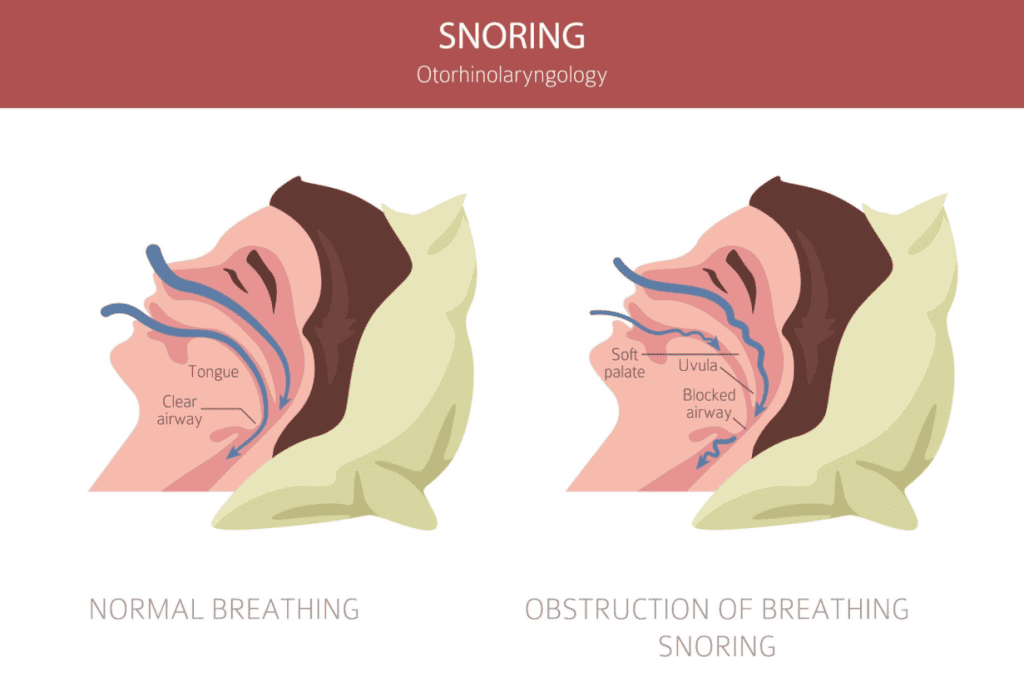
Loud snoring gets written off as “just how Dad sleeps.”
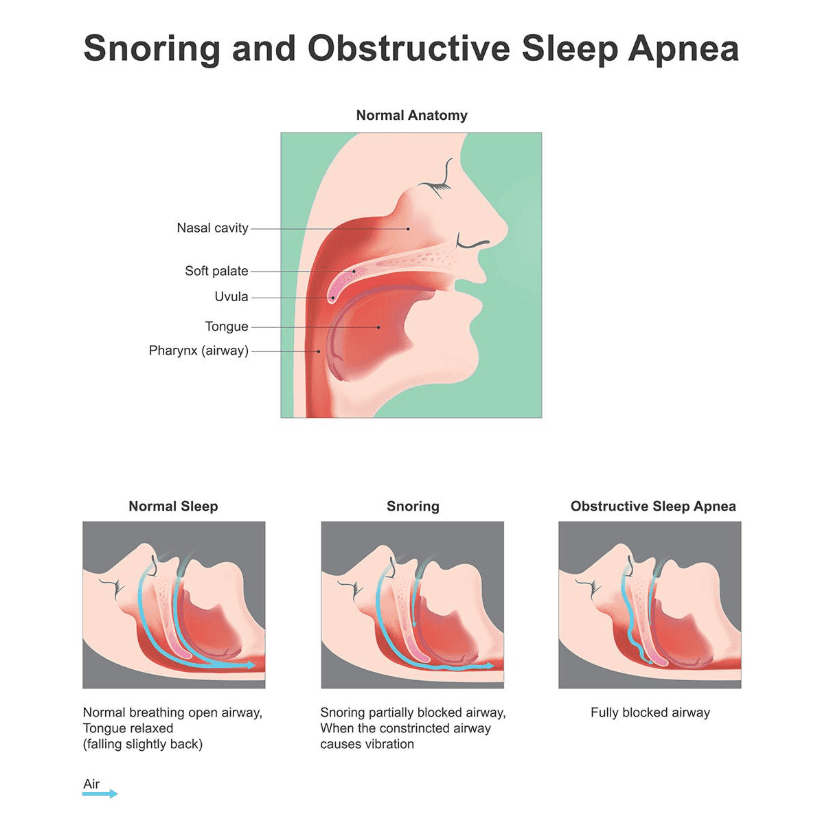
It’s often the most visible sign of obstructive sleep apnea, a condition that’s both underdiagnosed and treatable in older adults.
If there’s snoring, gasping, or long pauses in breathing during sleep, that’s worth a conversation with a doctor, not a joke at dinner.
Medication Interactions Are a Hidden Culprit
Many medications common in later life, for blood pressure, for depression, for pain, can disrupt sleep as a side effect.
Try this: a medication review with a doctor or pharmacist specifically asking about sleep-related side effects. Sometimes the fix isn’t a new sleep aid. It’s adjusting the timing of an existing prescription.
Daytime Habits Matter More Than People Assume
Long naps in the afternoon quietly cannibalize nighttime sleep.
Try this: limit naps to 20-30 minutes, earlier in the day, and prioritize some natural light and movement, even a short walk, to reinforce a stronger circadian signal.
Sleep Medication Isn’t the First Answer
Sedatives carry real risks for older adults: confusion, falls, next-day grogginess.
Non-drug approaches, like cognitive behavioral therapy for insomnia, are often more effective long-term and carry none of those risks.
Don’t Normalize It
“I just don’t sleep like I used to” shouldn’t be the end of the conversation. It should be the start of one.
Poor sleep in older age isn’t a life sentence. It’s a symptom, and symptoms deserve attention, not a shrug.