

“Just one more episode” has cost humanity more productive hours than any single piece of software ever will.
We treat sleep delay like a harmless indulgence.
It’s not harmless.
It’s a direct withdrawal from tomorrow’s brainpower, and the interest rate is brutal.
Your Brain Isn’t “Off” When You Sleep
It’s doing maintenance.
It’s:
- Clearing out metabolic waste
- Consolidating memories
- Resetting the systems you’ll rely on the next day
Delay sleep, and you’re cutting that maintenance window short, whether or not you notice it in the moment.
The First Casualty Is Attention, Not Energy
You’d think tiredness would feel obvious.
Mostly, it doesn’t.
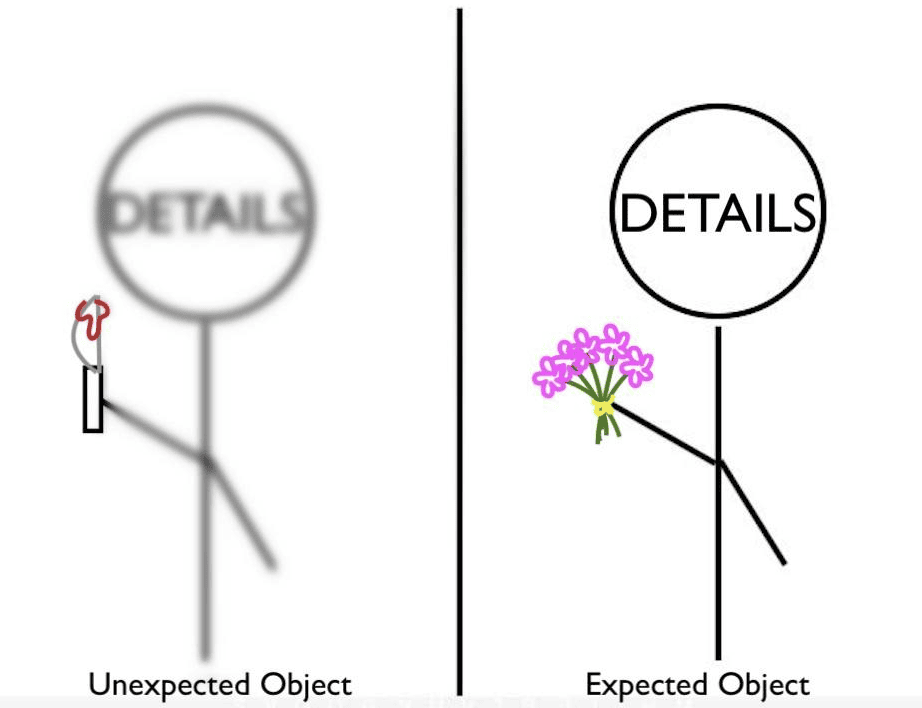
It shows up as your attention quietly fraying at the edges before you consciously feel exhausted.
Research on sleep restriction consistently shows:
- Reaction time degrades
- Sustained attention drops
…well before people report feeling sleepy.
You think you’re fine.
You’re not fine.
You’re just not paying attention to how not-fine you are.
Decision-Making Takes a Real Hit
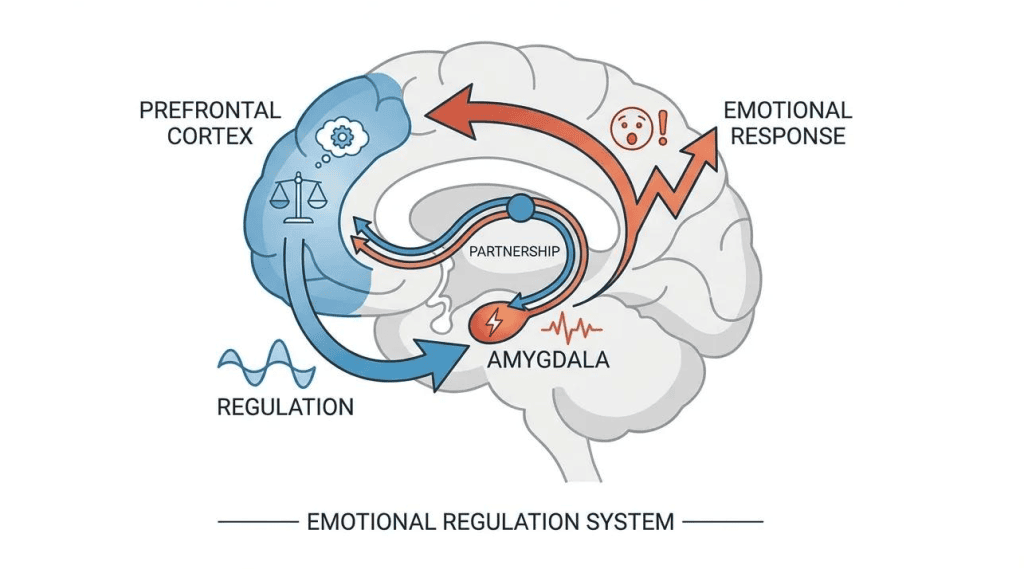
Sleep-deprived brains lean harder on:
- The amygdala (emotional reactivity)
- Less on the prefrontal cortex (rational judgment)
That’s why everything feels:
- More irritating
- More urgent
- More catastrophic
…after a short night.
Your brain isn’t wrong about how it feels.
It’s just working with a compromised toolkit.
The Productivity Math Doesn’t Add Up
Staying up late to “get more done” is one of the most common productivity myths out there.
One study after another shows the same pattern: an extra hour of wakefulness produces less than an hour of usable output the next day, because the sleep debt drags down every task that follows.
You’re not gaining an hour. You’re borrowing one, at a terrible exchange rate.
It’s Not Just About Total Hours

Delaying sleep by even 30–60 minutes, night after night, disrupts your circadian rhythm—even if you technically get “enough” sleep once you finally lie down.
Your body doesn’t just want hours.
It wants consistency in when those hours happen.
The Fix Isn’t Complicated, Just Unpopular
Go to bed at a consistent time, even when there’s a good reason not to.
Especially when there’s a good reason not to, because that’s exactly when the habit erodes.
Try this: pick a bedtime you can actually hold on both a Tuesday and a Friday, and protect it the way you’d protect an important meeting.
The Takeaway
Delaying sleep feels like stealing extra time from the day.
It’s actually stealing from tomorrow—with worse terms than any loan you’d ever knowingly sign up for.